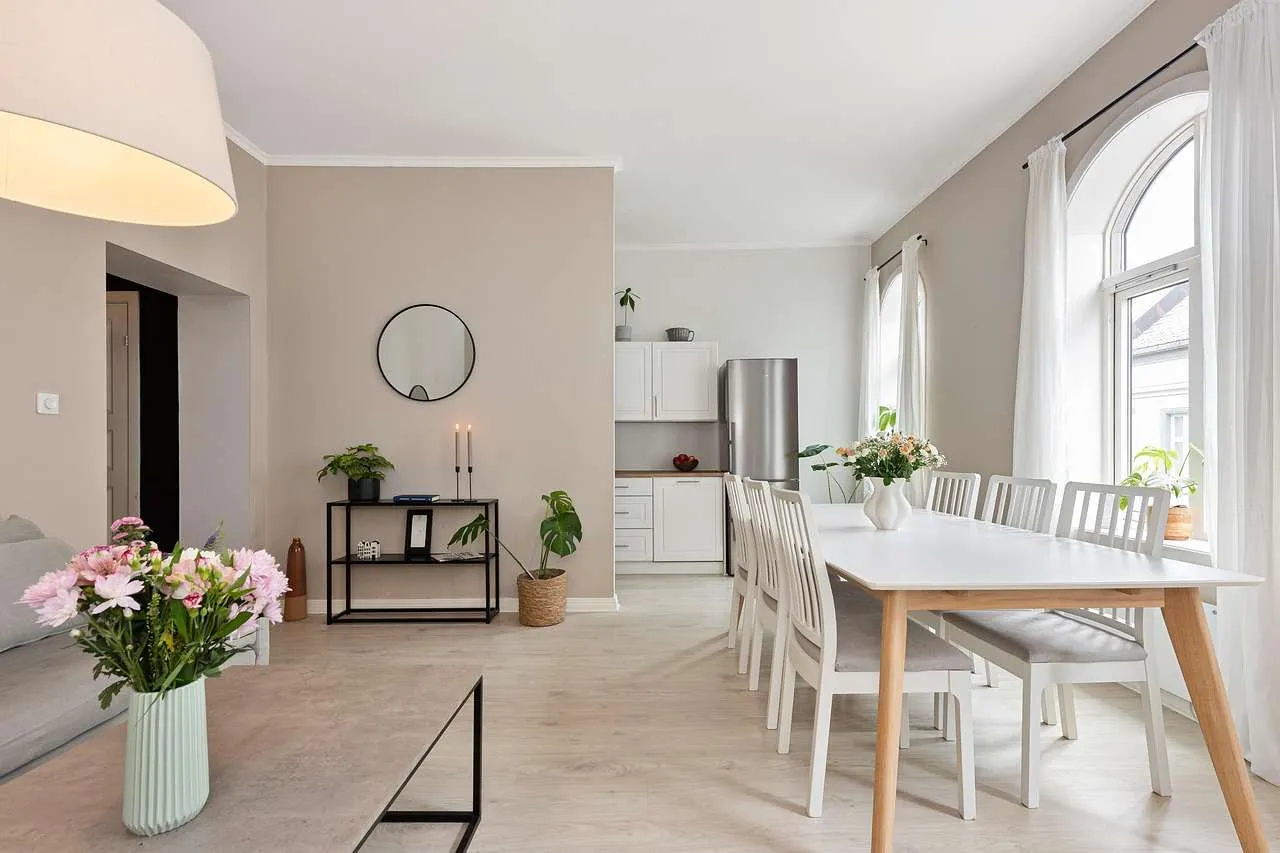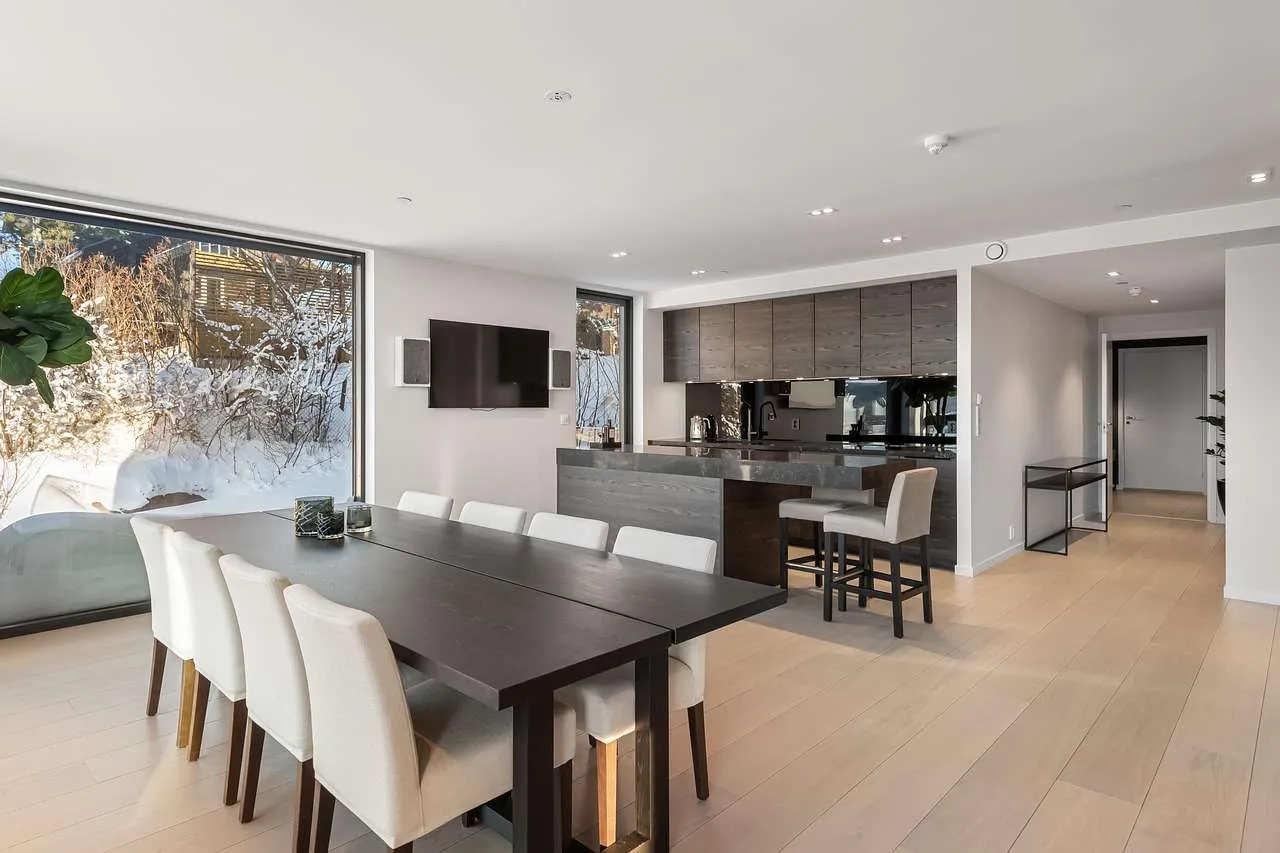
In an era where homeowners increasingly seek comfort, energy efficiency, and privacy, window tint for home is a practical upgrade. With expert installation, this film can cut heat, protect furnishings, and maintain daylight.
What is window tint for home?
Window tint for home refers to thin films applied to glass surfaces that modify how light and heat pass through. Modern residential films filter ultraviolet (UV) rays, reduce solar heat gain, and lessen glare while preserving visibility and natural light. Choosing the right film depends on climate, window orientation, and personal preferences.
Types of residential window tint
Dyed window film
Dyed films contain a colored dye layer that absorbs heat. They are among the most affordable options and can improve privacy. However, they tend to fade over time and offer moderate UV protection. They may also show limited heat rejection compared with other technologies.
Metalized window film
Metalized films incorporate metallic particles that reflect heat and reduce infrared (IR) heat. They provide strong heat rejection and durability but can cause glare or interfere with electronics and smart devices. They also impart a reflective appearance in bright light.
Ceramic window film
Ceramic films use nano-ceramic particles and are among the highest-performing options. They deliver excellent heat rejection, minimal color change, and strong UV protection without interfering with signals. They are typically more expensive but durable and visually neutral.
Carbon window film
Carbon films balance heat rejection with a non-reflective finish. They provide good UV protection and stronger heat control than dyed films, while maintaining a natural look. Carbon films are durable and commonly used in homes and commercial spaces.
Benefits of window tint for home
- Energy savings: reducing solar heat gain lowers cooling loads and can reduce air-conditioning costs, especially on south- and west-facing windows.
- UV protection: most films block up to 99% of harmful UV rays, protecting furniture, flooring, and artwork.
- Glare reduction: softer daylight improves comfort in living rooms, home offices, and media rooms.
- Privacy and safety: tinted films enhance privacy during the day and can hold glass together in case of breakage.
- Protection of interiors: reduced fading preserves colors and textures on furnishings.
How to choose the right tint
Begin by assessing climate and sun exposure—if your home faces strong sun, higher heat rejection may matter more. Consider room use; bedrooms may benefit from higher privacy, while shared living spaces may prioritize natural light. Check local regulations, as some jurisdictions limit visible light transmission (VLT) on front windows or require safety glass ratings. Select a film with an appropriate Visible Light Transmission (VLT) percentage and Solar Heat Gain Coefficient (SHGC) that aligns with comfort and energy goals.
Key selection criteria
- VLT: determines how much light passes through; higher VLT = more daylight, lower privacy.
- SHGC: measures how well the film blocks heat from the sun.
- UV protection: aim for films that block up to 99% of UV rays.
- Appearance: non-reflective finishes are preferred for a natural look in homes.
- Warranty and certifications: look for manufacturer warranties and professional installation guarantees.
Installation options and maintenance
Professional installation is recommended to ensure edge sealing, bubble-free appearance, and warranty compliance. DIY kits exist, but improper application can cause ghosting, peeling, or reduced performance. Before installation, clean glass thoroughly, remove existing glazing tapes if needed, and protect surrounding surfaces. Maintenance is simple: wash with mild soap and water, avoid abrasive cleaners, and promptly address any edge lifting or bubbling.
Cost, ROI, and durability
Prices vary by film type, window size, and labor. Dyed films are the most affordable, while ceramic and carbon films are higher-cost options. The value comes from energy savings, furniture protection, and increased comfort, which may improve resale value. Most high-quality residential films carry warranties of 10 to 15 years, sometimes longer, depending on the brand and conditions.
Tint type comparison
| Type | Pros | Cons | IR Rejection | UV Block | Visible Light Transmission (VLT) | Cost | Longevity |
|---|---|---|---|---|---|---|---|
| Dyed | Low cost; improved privacy | Fades; moderate heat rejection; can look dark | Low–Medium | Moderate | 25–70% | Low | Medium |
| Metalized | Excellent heat rejection; durable | Potential glare; electronics interference; reflective | High | High | 15–60% | Medium | High |
| Ceramic | Strong heat rejection; non-reflective; high UV protection | Higher cost | High | High | 40–70% | High | High |
| Carbon | Good heat control; non-reflective finish | Mid-to-high cost | High | High | 30–60% | Medium–High | High |
Best practices for lasting results
Work with a reputable installer who provides sample shades, a written warranty, and clear expectations about window type, frame compatibility, and the expected look. Avoid very dark tints on front doors or windshields where prohibited. For older windows, consider surface prep and compatibility with double-pane or insulated glazing to prevent condensation or film damage.
Conclusion
Conclusion, window tint for home is a practical upgrade that can deliver energy savings, UV protection, glare reduction, and enhanced privacy when chosen carefully and installed by a qualified professional. By considering film type, climate, regulations, and maintenance, homeowners can maximize comfort and value while protecting interior assets.